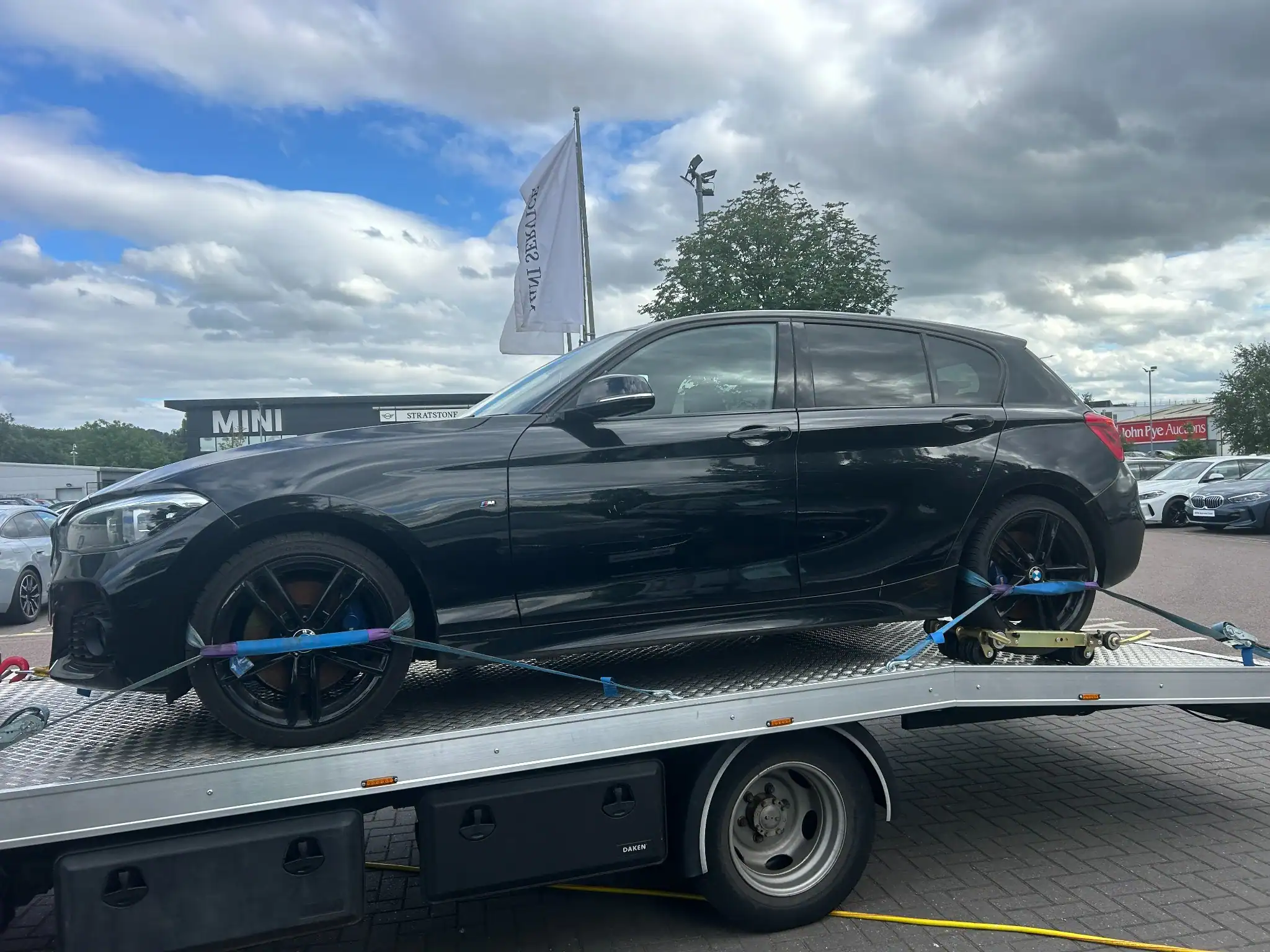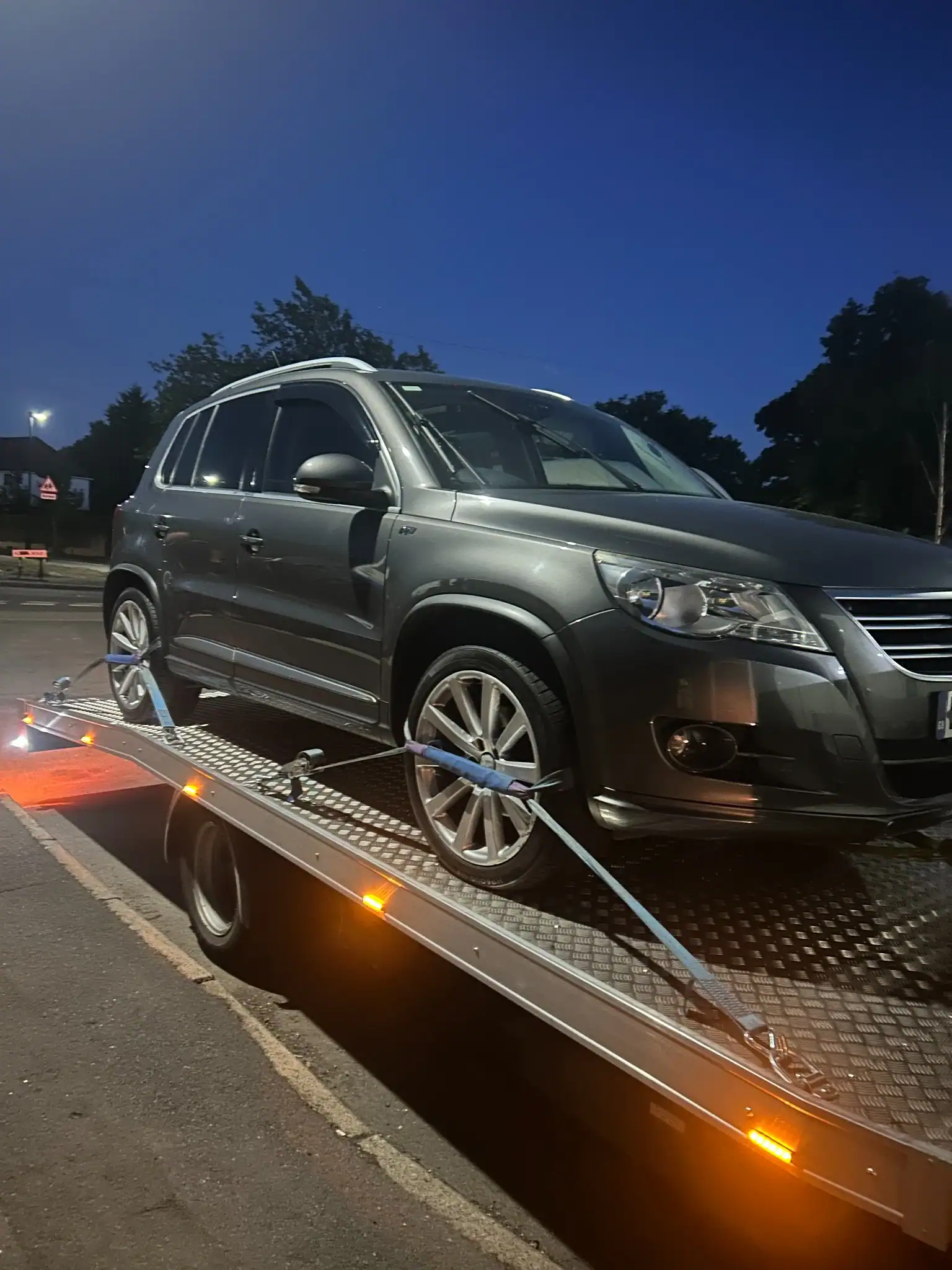

Choosing recovery for a work van
Van recovery begins with matching the truck and loading method to the actual vehicle. A compact empty van that rolls freely, a loaded high-roof panel van and an automatic with locked wheels are different transport jobs. Our local recovery team checks size, load, condition and access before confirming availability. Send the pickup and destination together so collection and unloading can be planned as one operation.
Use this service guide for broken down van recovery, garage transport, trade movements and planned van collection. The local pages explain their own roads, neighbourhoods and working areas. They do not replace the assessment for your vehicle. A truck needs suitable lawful carrying capacity, the right loading equipment and practical access at both ends of the route, even when the transport distance is short.
Small, medium and large commercial vehicles
Small vans such as a Caddy, Kangoo, Berlingo or Transit Connect need the same accurate condition information as a bigger vehicle. Tell us about fitted racking, a roof rack, tools and stock. Include whether the van drives, rolls and steers. A familiar model badge does not establish how much equipment or material is inside it or whether the wheels and brakes are free.
Medium van recovery enquiries can include Transit Custom, Transporter, Vivaro and Trafic models with different bodies and wheelbases. Send the exact version where known, registration, height and load information. A crew van, camper conversion or vehicle carrying a water tank can differ substantially from an empty panel van. Photographs help assess clearance and access, but do not establish the loaded weight on their own.
Large Transits, Sprinters, Crafters, Lutons and specialist bodies require individual confirmation. Provide plated weight, approximate current weight, dimensions and details of a tail lift, long overhang or twin rear wheels. Large van recovery is available only when a suitable lawful arrangement is confirmed. We may ask for more information or decline a collection if the available equipment does not suit the van.
Manual and automatic vans that will not move
For a manual, say whether it selects neutral and whether the handbrake releases. For an automatic, tell us if it is locked in park or has a parking brake fault. Give the exact make, model and symptoms. Do not force the selector, dismantle a brake or use a generic override procedure. The recovery plan should be based on the vehicle's current condition and suitable manufacturer guidance.
A non-running van that rolls and steers may be considered for controlled winch loading. One with seized brakes, a locked wheel or steering damage needs a more specific plan. Include ground surface, slope and space around the vehicle. Skates can help suitable non-rolling vehicles, subject to capacity and clearance, but they are not a guarantee that every damaged or loaded van can be transported on the same truck.
If you are unsure about rolling condition or neutral, say so. Do not test an unsecured van on a slope or stand in traffic to inspect it. Safe photographs and an honest description can help establish the next useful check. Missing keys, inaccessible doors, a disconnected battery or removed components should also be disclosed before booking, because these can change loading and handover arrangements.
Flat batteries, wheel damage and vans stuck off-road
A van that will not crank after standing may need different help from one that stopped during a journey. Tell us whether the engine turns, whether electrical systems respond and whether there is a known charging fault. Battery assistance can be considered where suitable, but a jump start is not a guaranteed repair for every non-starting vehicle. Garage transport may be the appropriate service instead.
For a damaged tyre or wheel, identify the affected corner and explain whether the rim, steering or suspension is damaged. Take photographs only from a safe position. A puncture with an intact wheel differs from a collapsed suspension corner or a wheel rubbing against the body. Do not drive a damaged van further simply to make collection shorter or reach a place with a more recognisable postcode.
Mud, ditch and grass-verge recoveries require a separate assessment. Send photographs and a short video showing the ground, van position, slope and obstacles. Explain the load and any previous attempts to move it. The fact that a truck carries a winch does not establish that every pull-out is safe or suitable. Stop repeated attempts if the vehicle is sinking, sliding or moving towards an obstruction.
Roadside, motorway and A-road van breakdowns
Immediate safety comes before a private recovery booking. On a motorway, describe the road, carriageway direction, nearest junction or location marker and your stopping place. If you are in a live lane or cannot reach safety, call 999 and ask for the police. Follow emergency instructions. Do not put out a warning triangle or carry out repairs on a motorway, and do not walk along the carriageway to improve a quote enquiry.
When in a safe place, add enough detail to distinguish the actual pickup side. A location pin beside an interchange may point to a different road or carriageway. If at services, identify the parking area or forecourt position. A-road requests also need direction, nearby junction and whether the vehicle is in a running lane, lay-by or side road. We confirm a practical approach rather than treating every roadside pin as a usable loading location.
See the M1 recovery information, M25 recovery guide or M62 recovery page where relevant. These route guides help identify the location details needed after the scene is safe. Truck availability, traffic and access affect the collection estimate; the fastest arrival quoted elsewhere on the site is not a promise for every motorway van breakdown.
Home, business and garage transport
For home-to-garage transport, confirm the workshop accepts the van and can receive it at the proposed time. Give the actual unloading entrance, opening hours and receiving contact. A non-rolling vehicle may need a designated hardstanding area instead of an ordinary repair bay. Do not assume a diagnostic appointment includes storage or permission to leave a van outside a closed garage.
At a business or industrial estate, supply the unit number, gate arrangement and site contact. Explain any height barrier, canopy, restricted turn or busy delivery route. The registered business address can lead to a different entrance from the one suitable for a recovery truck. Ask the site operator to confirm release permission and a safe area for loading before accepting the collection plan.
Trade van recovery can cover purchased vehicles, repairer transfers and work vehicles returning to business premises. Provide collection authority, key location and the person receiving delivery. For fleet requests, identify each vehicle and route separately; do not assume a single truck can collect several vans. Where passengers need transport, confirm suitable seating before booking and arrange alternatives if required.
Auction collection and longer journeys
For auction van collection, provide the yard address, lot reference, release status and available condition report. Run-and-drive is not a guarantee of neutral, handbrake release, rolling condition or suitable access. Ask about collection slots and the loading method permitted for the particular van. Do not assume all yards load in the same way or that an unconfirmed release will be ready when the truck arrives.
Read the auction collection guide for the details needed to assess the transport. Site rules may restrict photographs or video inside the yard. Condition updates can be arranged where appropriate and permitted, including after collection. Clear release and handover arrangements help avoid a truck arriving before the van can legally or practically be handed over.
For long-distance van transport, send the full destination postcode and receiving access details. The truck must suit the actual load for the complete journey. Tell us about delivery time limits, closed gates and restrictions at the destination before agreeing the price. A later change to route, load or vehicle condition can require a revised arrangement rather than being treated as part of the original quote.
Vehicle condition checks and insured recovery
On arrival, the driver checks the vehicle against the description and assesses the loading area. Disclose existing damage, low clearance, loose bodywork and equipment that projects beyond the van. Photos or video where appropriate support a clear condition record. They are useful for handover but do not replace the checks needed for weight, loading method and safe securing.
Keep people clear while ramps, skates and winching equipment are in use. The driver controls the loading sequence and advises when anyone can approach. Explain goods, tools or materials inside the van. Fully insured vehicle recovery does not mean every item of cargo, business equipment or loss of earnings is automatically covered; ask about the cover that applies and arrange separate protection where necessary.
At the destination, unloading needs firm suitable ground and enough working space. Confirm who receives the keys and where the van should be positioned. Tell us if a workshop requires a locked-wheel van in a specific place. A clear final handover helps the repairer access the vehicle and avoids an unnecessary second move because a non-runner was left somewhere unsuitable.
Local van recovery guides
For van recovery in Chesterfield, see information on Sheepbridge, Dunston, residential pickups and the A617 connection. The Derby van recovery guide covers Pride Park, local business access and A38 or A52 enquiries. Nottingham van recovery explains Colwick, Lenton and motorway approach details. Use the guide relevant to where the van stands rather than choosing a nearby city simply because it is familiar.
Our Leeds van recovery page covers Stourton, Hunslet and the M621 context. Sheffield van recovery discusses gradients, commercial yards and Parkway collections. For restricted city access, the London van recovery guide includes basements, red-route context and working premises. Local drivers serve the areas described; these guides do not claim a physical depot or staffed office in every town.
Quotes, starting prices and booking deposits
Recovery prices start from £60 for suitable straightforward jobs where available. Van towing needs an individual price because size, load, route, access and damage affect the equipment and time. Send the actual vehicle information instead of estimating a commercial van job from an example for an empty car. We confirm the agreed service, price and estimated arrival before dispatch.
The quote response target is within five minutes for complete enquiries. Busy periods and specialist equipment checks can take longer. Fast local arrival can be from around 17 minutes where an appropriate truck is nearby; traffic and access affect the actual ETA. These are qualified starting points and response targets. Your booking confirmation gives the estimate for the specific pickup.
A deposit is normally required to confirm the job and assign a truck. We explain the amount, payment method and balance arrangements with the quote. An enquiry is free and does not dispatch a vehicle. If the pickup, destination, load or condition changes, tell us before accepting the booking. Keep the agreed details available to the person releasing the van and the receiving contact.
Questions before booking van transport
What should I put in the quote form?
Send the make and model, registration, pickup and destination postcodes, exact entrances, wheelbase, height, load, transmission, keys, whether it drives or rolls, neutral, handbrake release, wheel damage and passengers. Include safe photographs. The quote form lets those details arrive together for assessment.
Can you recover a loaded Luton or extra-long van?
Possibly, after equipment and lawful capacity are confirmed. Send dimensions, plated weight, approximate current load and tail-lift details. These vehicles are assessed individually and may be declined where a suitable arrangement is unavailable. Do not assume every recovery truck can accommodate them.
Is a battery boost always better than garage recovery?
The appropriate service depends on the fault, electrical system and location. Describe what happened and the symptoms. A jump start may suit a flat battery but will not resolve every charging or mechanical problem. Transport may be needed when roadside assistance is unsuitable.
Can you unload if the garage is closed?
Only where an authorised handover and safe unloading position have been agreed. Confirm permission with the workshop first. A closed gate, unavailable key recipient or unsuitable parking space can prevent completion at the intended address, so these details need checking before dispatch.