
Stuck in mud
Soft ground, muddy tracks and field entrances. Tell us which wheels have sunk and show the nearest firm access.
Baloch Recovery Services · Cambridge
Stuck in mud, a roadside ditch or a soft grass verge in Cambridge? Send your location and scene photos for a suitable vehicle pull-out assessment. We check truck access, the right equipment, your price and estimated arrival before you book.
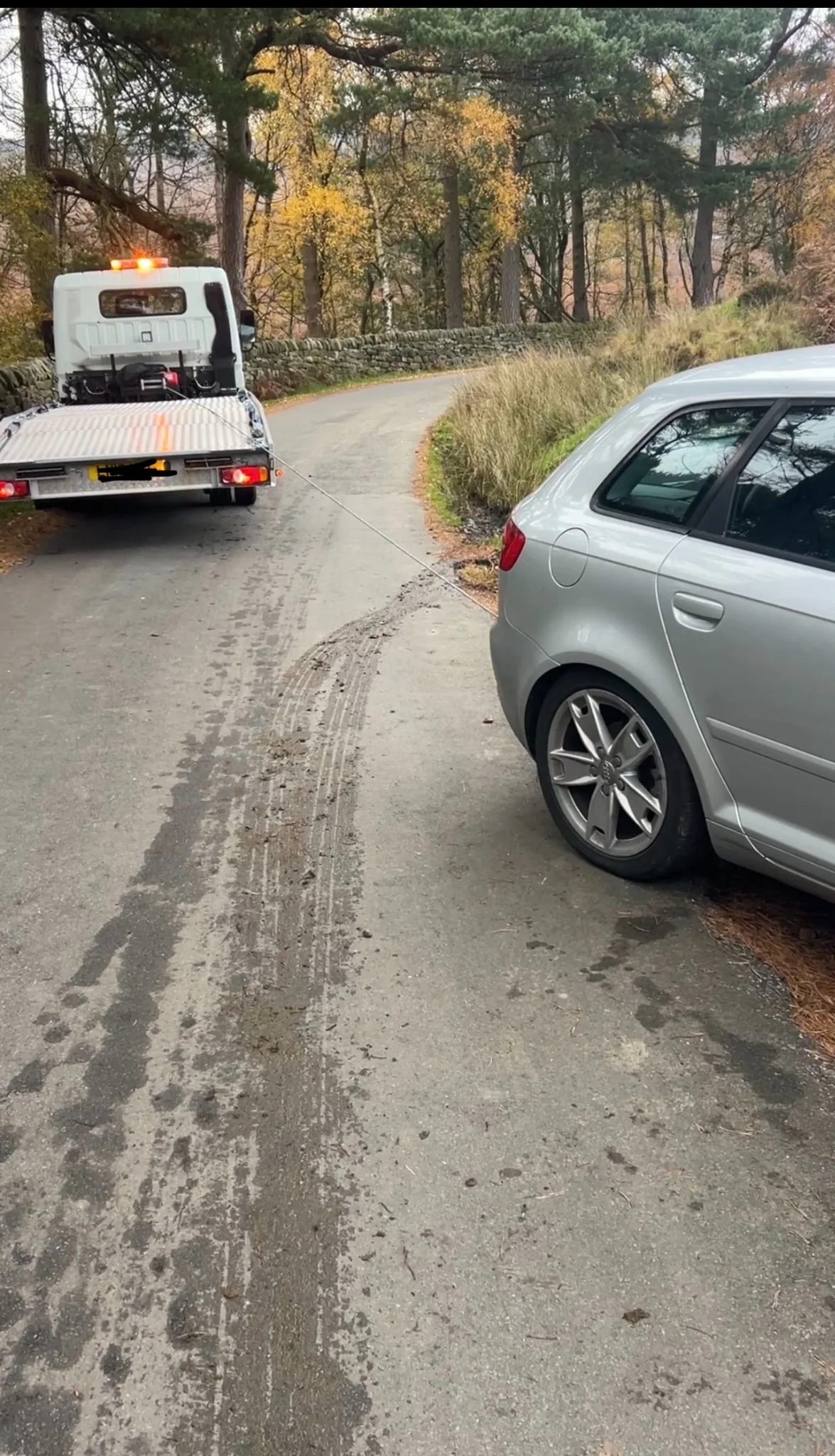
The right help for the situation
A vehicle can be stuck without having a mechanical breakdown. The engine may run normally while a wheel sinks into mud, the tyres lose grip on wet grass or the vehicle settles against the edge of a ditch. In these situations, an ordinary tow or jump start may not address the problem. The first step is to understand where the vehicle is sitting and how a recovery truck can reach a suitable working position.
Our Cambridge pull-out service starts with that assessment. We look at the vehicle, surrounding ground, available access and any visible damage before confirming the equipment and approach. A straightforward move back onto firm ground is different from a vehicle leaning down a bank, a loaded van resting underneath or a car with damaged wheels. Describing the situation accurately helps us give you a useful quote.
You do not need to know the technical name for the recovery. Tell us what happened, what is stuck and whether anyone needs urgent help. We will explain what information is missing and whether the job can be accepted. Powerful winching equipment is useful only when it is suitable for the vehicle and conditions; we assess each job rather than promise that one truck can recover every vehicle.
Soft ground, muddy tracks and field entrances. Tell us which wheels have sunk and show the nearest firm access.
Awkward positions and sloping banks need an individual plan. Send a wider view of the vehicle and surrounding area.
Wet grass and soft road edges can leave cars and vans stranded. Include the traffic position and any wheel damage.
Cambridge and the surrounding villages
We take pull-out enquiries for Cambridge and nearby villages, with availability checked against the precise location and recovery requirements. This includes requests around Girton, Histon, Impington, Milton and Waterbeach, as well as western approaches near Madingley, Dry Drayton, Hardwick and Coton. A roadside location and a field entrance behind the same village can require very different access, so the postcode is a starting point rather than the whole picture.
To the south, useful location references include Trumpington, Grantchester, Harston, Hauxton, Great Shelford, Little Shelford, Stapleford and Sawston. To the east and southeast, tell us if you are around Fen Ditton, Horningsea, Teversham, Fulbourn, Babraham, the Abingtons, Hildersham or Linton. If your village is not listed, send the details and we will check the job rather than ask you to choose an inaccurate location.
A location in a village centre may be easy to identify, while an unnamed lane or a field entrance can be less obvious. Tell us the road you used to reach the vehicle and any sign or building visible from a safe place. If an online map sends visitors to the wrong side of a property, explain that when enquiring. This gives the driver useful access information without relying on an assumption about the nearest postcode.
For an incident near the M11, include the direction of travel and the nearest junction if known. Girton is at junction 14, while junction 11 serves the Trumpington area. On the A14, references such as Bar Hill, Girton, Histon, Milton or Fen Ditton help identify the correct stretch. A vehicle beside the main carriageway needs different coordination from one on a nearby local road.
The A10 corridor towards Waterbeach and Ely, the A428 western approach and the A1307 towards Babraham and Linton are also useful location references. Specify the village as well as the road number: the A1307 also appears northwest of Cambridge on the local route towards Huntingdon. A map pin, nearby junction and accessible entrance help avoid confusion when arranging the truck.
Local reference: South Cambridgeshire villages and parishes.
Soft ground and lost traction
A short move off a surfaced area can leave a vehicle stranded on soft ground. This may happen at an event parking area, a private driveway, a field entrance or a grass verge used while making room for another vehicle. Tell us whether the vehicle is still level, which wheels are affected and whether the underside is touching the ground. Those details matter more than simply describing the vehicle as stuck.
Before a truck is assigned, we need to understand the route into the location. Mention gates, narrow turns, parked vehicles, low branches, overhead restrictions or a track that has also become soft. A recovery vehicle needs a suitable place to work, not just a path wide enough for your car. If the approach is controlled by a site owner or event organiser, explain how access will be arranged.
You do not have to attempt another manoeuvre to demonstrate the problem. Describe what you have already tried and any change in the vehicle's position. If the wheels have sunk further or the vehicle has started leaning, include that in your message. Keep passengers and bystanders clear while the situation is assessed, and follow the recovery operator's instructions once they arrive.
For private land, confirm that the relevant owner or operator knows about the recovery and can provide access where necessary. We can discuss a pull-out from suitable locations, but a request does not automatically confirm that a truck can enter every field, track or enclosed site. We agree the plan after reviewing the information.
Below the road or beside a bank
A ditch pull-out can involve more than moving a vehicle backwards or forwards. The vehicle may be leaning, resting against the bank or sitting with wheels at different heights. Bodywork, suspension or the underside may already be in contact with the ground. We need a clear description of that position so the recovery can be assessed before a suitable truck is dispatched.
If it is safe to do so, send one wider image showing the whole vehicle and surrounding area, followed by views of the affected wheels and the nearest access. A short video can help show the slope and the space available, but do not climb down a bank, approach traffic or enter water to obtain it. Tell us when an image cannot safely show a particular area.
Please mention water in the ditch, a soft or crumbling edge, damaged barriers, blocked entrances and any visible fluid leak. Also explain whether the vehicle is occupied and whether there has been a collision. An unstable position, injury or immediate danger requires emergency assistance first; the quote form should not delay that.
Some ditch recoveries need additional equipment or a different recovery vehicle. We confirm what can be arranged after assessment, and the operator checks conditions on arrival. If the situation is materially different from the description or photographs, the plan may need to change. Clear information at the start helps us explain those possibilities and give a realistic quote.
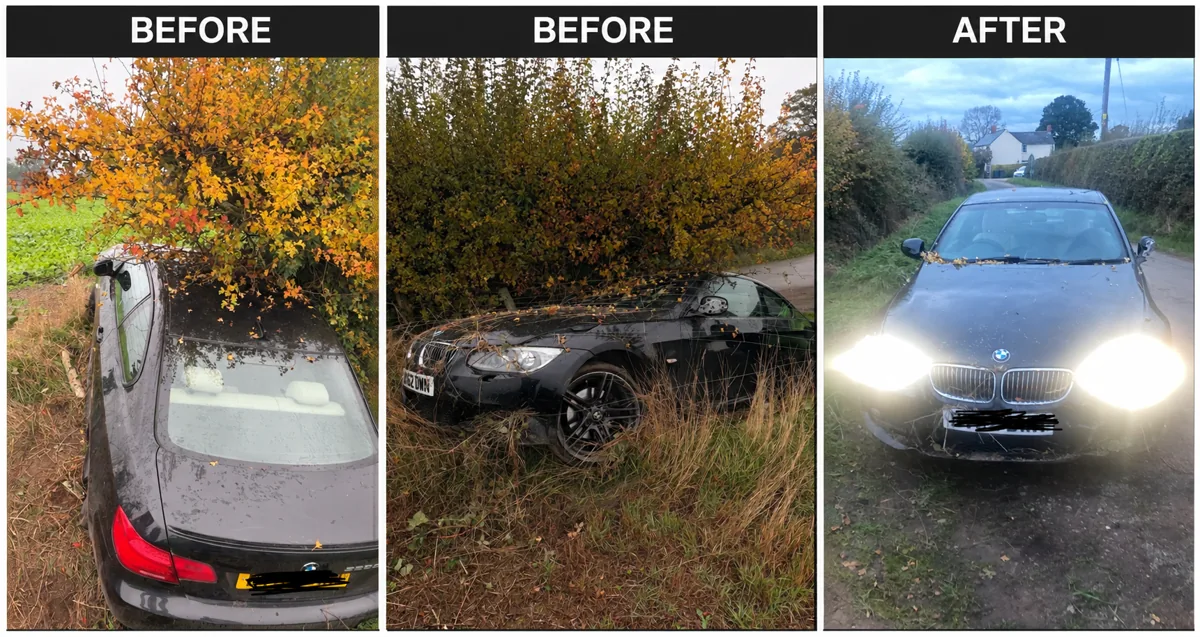
These existing recovery photos show the type of work involved. Send photos of your own location so the Cambridge request can be assessed.
Tell us what needs recovering
The make and model help us understand the vehicle, but they are only part of the picture. Tell us about passengers, a trailer, unusual modifications or anything being carried that changes the job. A small car on a shallow grass verge can need a different arrangement from a large SUV in deep mud, even when both are described as a simple pull-out.
For a van, include whether it is short, medium or long wheelbase and whether it has a high roof or Luton body. Tell us if it is empty or loaded and provide the approximate load weight if known. We assess larger vehicles and loads before confirming suitability; sending the details does not mean every size of van can be accepted.
Photographs of the vehicle and the approach help us check the available space. If you need transport after the pull-out, mention that at the same time, because moving a vehicle onto firm ground and carrying it to another address are separate requirements.
Tell us whether the vehicle rolls, selects neutral and has a parking brake that releases. Report flat or damaged tyres, bent wheels and steering that does not move normally. Do not try to force a control or move the vehicle solely to answer a question; tell us if you are unsure.
For an electric or hybrid vehicle, identify the exact model and explain any warning messages or visible damage you have noticed. The recovery operator needs that information when deciding what handling is appropriate. We do not assume that every stuck vehicle can be pulled in the same way or safely driven immediately afterwards.
Help us assess the job
Use the quote form and select Ditch pull-out for a vehicle stuck in mud, a ditch or a grass verge. Describe the actual situation in the message rather than choosing a general transport request. If the vehicle also needs delivery elsewhere, include the destination so we can consider both parts of the job together.
A useful enquiry shows where the vehicle is, what condition it is in and how a truck could approach. The checklist below covers the main details. You can still contact us if something is unknown; explain what you can see without attempting an unsafe inspection.
If you are beside a major road, also include the direction of travel and the nearest junction or roadside location marker if you can see one safely. If you are within a site, identify the entrance the truck should use. A pin placed on the vehicle is useful, but a separate description of the route in can be equally important.
Do not delay urgent assistance while collecting details. If you cannot safely take photographs, say so in the enquiry. We can explain what other information may help without asking you to put yourself at risk.
If you have coordinates rather than an address, copy them into your enquiry exactly as shown. There is no need to move the vehicle or walk further along a road to find a postcode. Tell us whether the pin marks the stranded vehicle, the property entrance or the place where you are waiting.
From enquiry to dispatch
We review the information, check suitable truck availability and explain the proposed service. Your quote should make clear whether it covers a pull-out onto accessible firm ground, onward transport, or both. We also confirm the arrival estimate based on the truck being assigned and the location it needs to reach.
There is no obligation to proceed simply because you have requested a quote. If you want to book, we explain the deposit amount, the remaining balance and the agreed scope before asking for payment. A deposit is required in advance to confirm the job and assign the truck. The remaining amount is payable on completion of the agreed service.
Please check the pickup location and contact details before confirming. If you are arranging recovery for someone else, tell us who is with the vehicle and how the driver can contact them. If the vehicle is unattended, explain the access and key arrangements so this can be considered before dispatch.
Once the recovery is arranged, keep your phone available for any location or access clarification. Tell us promptly if the vehicle moves, another operator recovers it, a gate becomes inaccessible or the situation changes. On arrival, the driver assesses the actual conditions and explains the working area. If additional work is needed beyond the agreed request, it should be discussed before proceeding.
Price explained
There is no reliable single price for every Cambridge pull-out. Two vehicles at the same postcode may need very different work depending on their position, weight and access. We use the details you provide to assess the job and give a no-obligation quote before you decide.
The main considerations include how deeply the vehicle is stuck, whether it is leaning or damaged, how close suitable firm access is and what recovery equipment is required. A locked wheel, a loaded van or a vehicle below road level can change the plan. So can restricted entry, limited working space or a need for additional support.
Distance and timing also affect which truck can be assigned. If you need delivery to a garage or home after the vehicle is recovered, provide the destination at the outset. That allows the quote to address the full request rather than leave the next stage undecided.
We do not use a normal transport price as a promise for an unseen winching job. Equally, you do not need to guess which equipment is required before contacting us. Send an honest description, including anything you are uncertain about, and we will explain the proposed price, deposit and balance. If you are comparing options, check that each quote covers the same recovery and delivery requirements.
Your safety comes first
If the vehicle is in a dangerous position, someone is injured or there is an immediate threat, call 999. Do not wait for a quote response before seeking urgent help. Tell the emergency operator where you are and follow their instructions.
On a motorway or fast road, only leave the vehicle if it is safe to do so. Leave from the side away from traffic and wait somewhere safe, away from the vehicle and moving traffic. If there is a barrier, take care around hidden drops or uneven ground beyond it. Do not cross the carriageway or stand where your vehicle could be pushed into you.
If you cannot get out safely, keep your seat belt and hazard lights on and call 999. National Highways provides official motorway breakdown guidance, which is linked on this page. A vehicle stuck on the verge can still be exposed to traffic; being off the running lane does not remove the need to assess where it is safe to wait.
At an off-road location, keep people away from unstable edges, water and the vehicle's possible path. Do not attach improvised ropes or attempt a pull using another vehicle while waiting for the agreed recovery. Give the operator room to assess and establish a working area on arrival. Children, pets and bystanders should remain in a suitable safe location under supervision.
Read the official National Highways motorway breakdown guidance for advice about reaching a safe place and getting help.
Plan the next step
Moving the vehicle onto firm ground is the first goal, but it does not by itself confirm that the vehicle is roadworthy. A ditch impact, damaged tyre or contact underneath may leave problems that need attention. Tell the driver about any warning lights, steering concerns, leaks or unusual behaviour you have noticed, and do not assume that recovery is a substitute for a mechanical inspection.
If you already know the vehicle needs a garage, let us know when requesting the quote. We can assess whether onward transport can be arranged as part of the booking and confirm the destination and price. This is also useful if the vehicle will not drive, the wheels are damaged or you prefer not to continue the journey.
For a garage delivery, check who will receive the vehicle and whether the premises will be open. If arrival may be outside opening hours, tell us about any agreed handover or secure access arrangements before booking. We also need to know if the destination has a narrow entrance or other restriction that could affect unloading. Planning the handover helps make the onward part of the recovery clear.
Passenger space depends on the truck assigned. If one or two people need to travel, tell us before booking so seating can be checked; it is not automatically included for every vehicle or every recovery arrangement. Mention children or any access requirements when enquiring so we can confirm what is possible.
Ready for an assessment? Use the quote form below with your Cambridge location, vehicle details and a description of the situation. We will review the information, check suitable availability and explain the next step. You can decide whether to proceed once you have the recovery plan, price and arrival estimate.
Cambridge pull-out FAQs
We can assess mud pull-out requests in Cambridge and surrounding villages. Send the exact location, make and model, and safe photos or a short video showing the vehicle and access. We confirm whether suitable recovery can be arranged after checking the ground, vehicle position and available truck.
Yes, grass-verge recovery enquiries are welcome. Tell us which wheels are stuck, whether the vehicle is level and how close it is to moving traffic. A shallow-looking verge can still have access or stability issues, so the operator needs to assess the situation before confirming the plan.
A deep ditch requires an individual assessment. We need to know the vehicle's angle, any water or visible damage, and the access available for recovery equipment. Some situations require additional equipment or a different truck. If anyone is injured or in immediate danger, call 999 first.
Send the road, direction of travel, nearest junction and exact position so we can check the request. Recovery beside a live road may need coordination with the relevant authorities. If you cannot leave the vehicle safely, keep your seat belt and hazard lights on and call 999.
The price depends on the vehicle, ground conditions, access, position and equipment needed, plus any onward transport. Send the details for a no-obligation quote. We explain the deposit and remaining balance before you book, so you can decide with the proposed service and price in front of you.
That is an aim when a suitable truck is available nearby, not a guaranteed arrival time. Your precise location, access, recovery requirements and current availability affect the estimate. We confirm the expected arrival when arranging your recovery rather than promise the same time for every Cambridge enquiry.
Tell us the van model, wheelbase or body type, and what it is carrying, including the approximate load weight if known. We assess the overall vehicle and conditions before accepting the job. Larger vans, Luton bodies and heavier loads may need a different recovery arrangement.
Mention that before booking and send clear details of the affected wheels. Locked wheels, damage and electric parking-brake problems can change the equipment and handling required. Do not force the controls to provide an answer; say what you know, and we will assess the available options.
Yes. You can request a quote directly from Baloch Recovery Services without holding a breakdown membership. Send the location and vehicle details for assessment. We explain the service, price and payment arrangements before you decide whether to book, with no obligation arising from the enquiry itself.
Tell us your destination and passenger count at the start. Onward vehicle transport and passenger seating depend on the recovery truck and the job, so they must be confirmed before dispatch. If a garage is receiving the vehicle, check its opening hours and delivery arrangements too.
A clear next step
Send your exact location, vehicle details and safe photos. We will check suitable availability and confirm the recovery plan, price and estimated arrival before you decide.
Get my Cambridge pull-out quoteChoose the answers and enter only the details we need.
Guaranteed response within 5 minutes after you submit your quote form. Easily send your vehicle details and share your current location using the form.